
Coyote Willow
Salix exigua
Family: Salicaceae
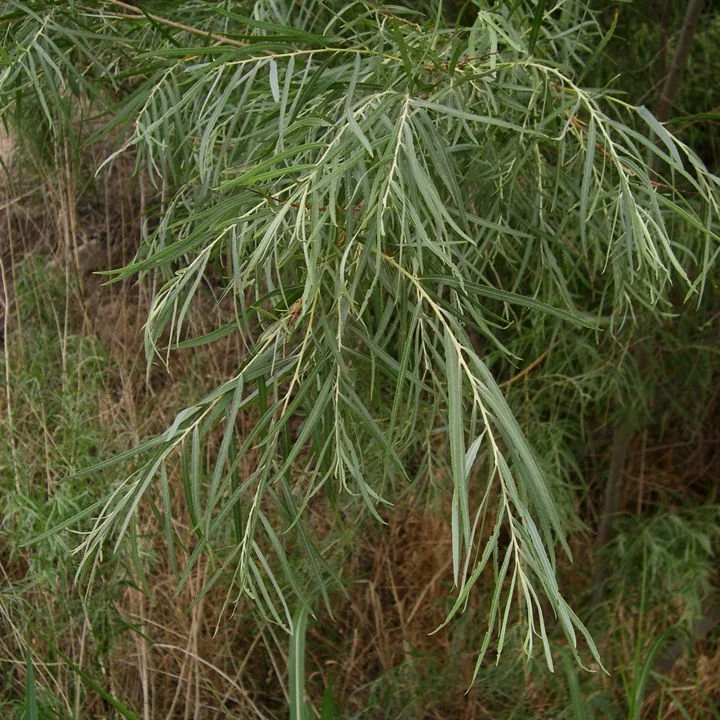
Deciduous, riparian shrub, variable in height—often found as 4-5’ shrubs but can reach as high as 20’. Separate male and female flowers that appear just before the leaves. Flowers are yellow catkins followed (on female flowers) by hairy capsules with cottony seeds. Plants clonally reproduce in wet soils.
Grow in full to part sun with regular water. Can grow in perpetually wet soils. Cold hardiness untested but given its natural geographical distribution, it can handle any temperatures experienced in our region.
Larval host to the mourning cloak butterfly (Nymphalis antiopa)western tiger swallowtail (Papilio rutulus), Arizona red-spotted purple (Limenitis arthemis ssp. arizonensis), Weidemeyer's admiral (Limenitis weidemeyerii) and a vast array of other insects, attracting substrate-insectivorous birds. Nesting tree for riparian birds. Important to native bees and other nectar insects for nectar-rich flowers.
Bark used for fevers, infusion of the roots taken for diarrhea, used in basketry, for fuel and building materials, for cradles, posts, sweathouses, arrows and bows, mats, whistles, and as a protective charm.
Salix has 626 species distributed worldwide. Salix is the classical Latin name for willow trees, perhaps derived from salio, to leap or spring, from the quickness of their growth; exigua means little, or weak in growth.
Found in thickets along watercourses from 1,000-8,500’ in most of western North America, from California east to Texas and north to Canada; south into northern Mexico.

Plants clonally reproduce in wet soils, photo by Matt Lavin, iNaturalist
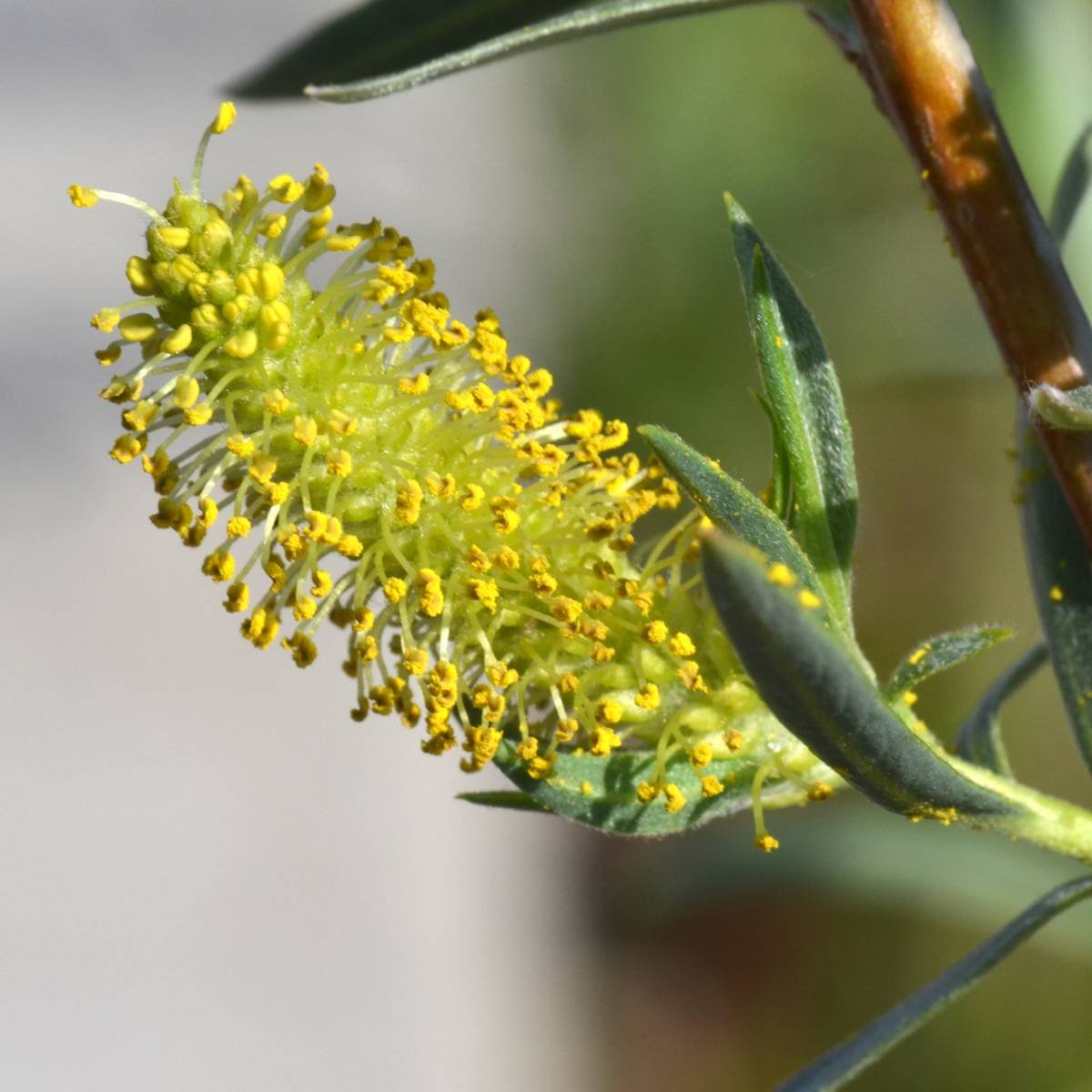
Staminate (male) flower, photo by Tony Frates, SEINET
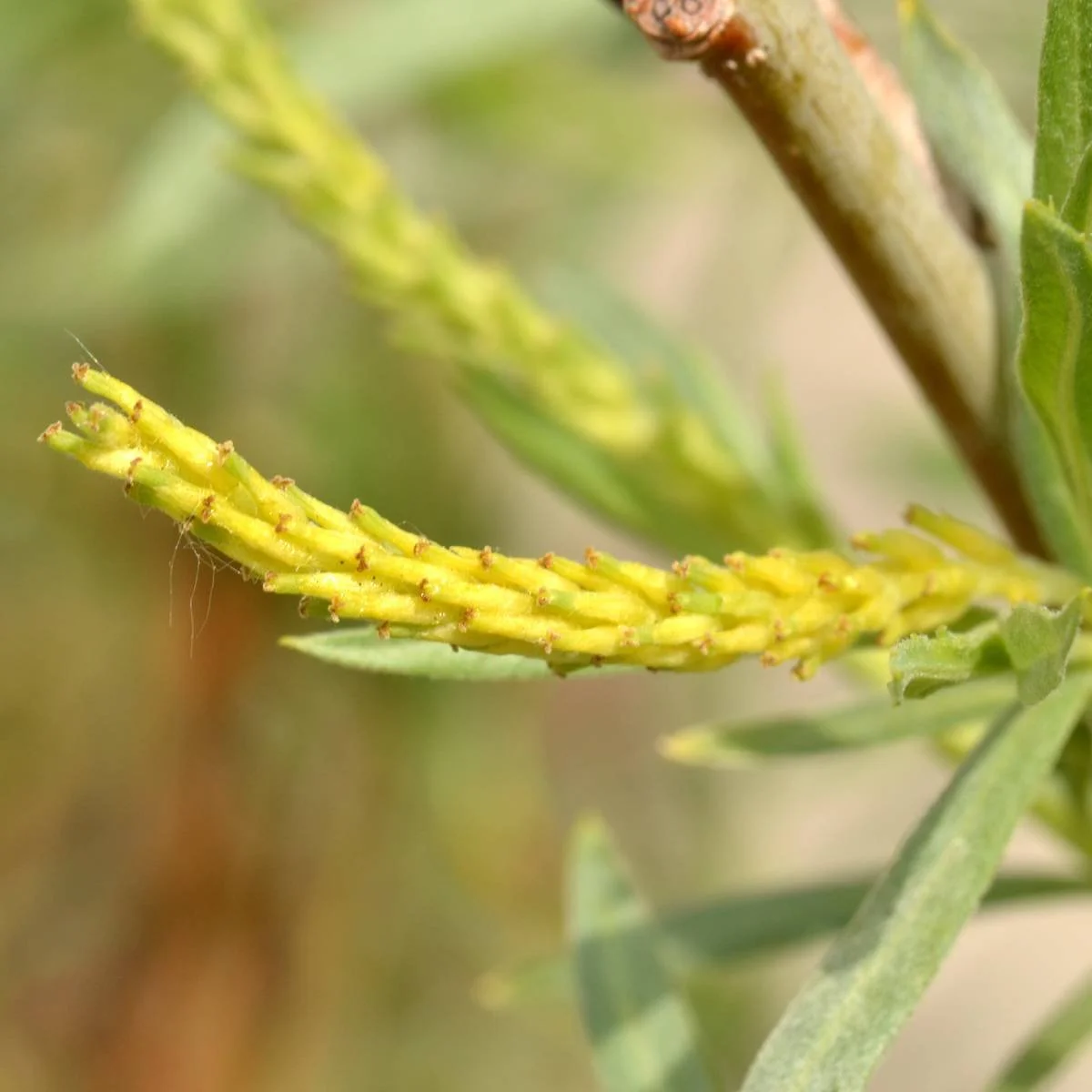
Pistillate (female) flower, photo by Tony Frates, SEINET
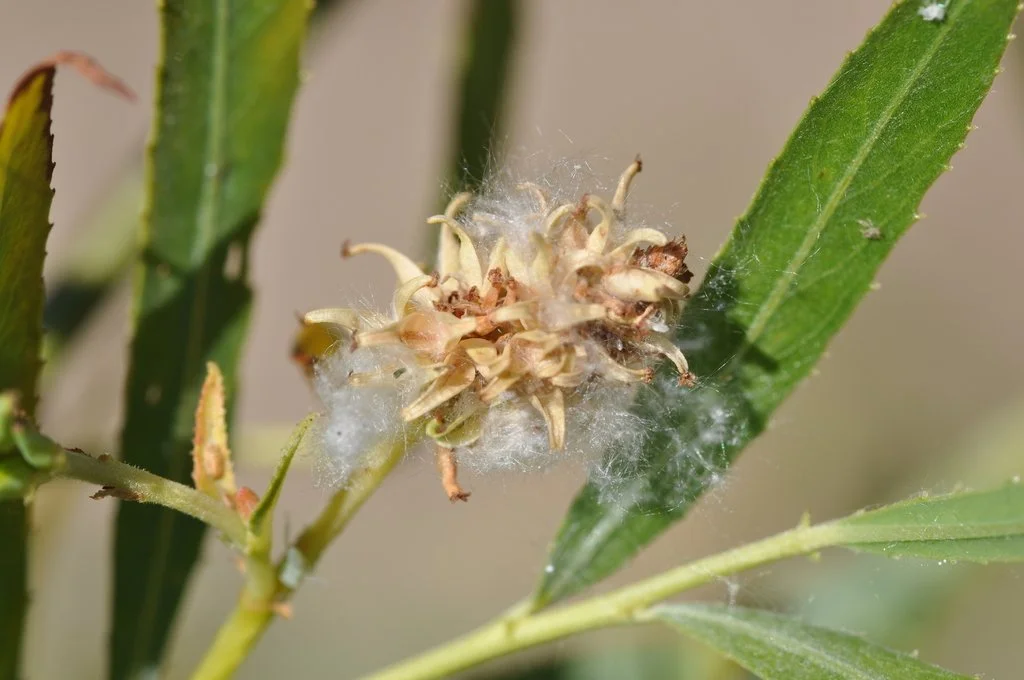
Fruiting capsules releasing cottony seeds, photo by Mart Hughes, iNaturalist