
Zacate Raiz
Bouteloua diversispicula
Family: Poaceae
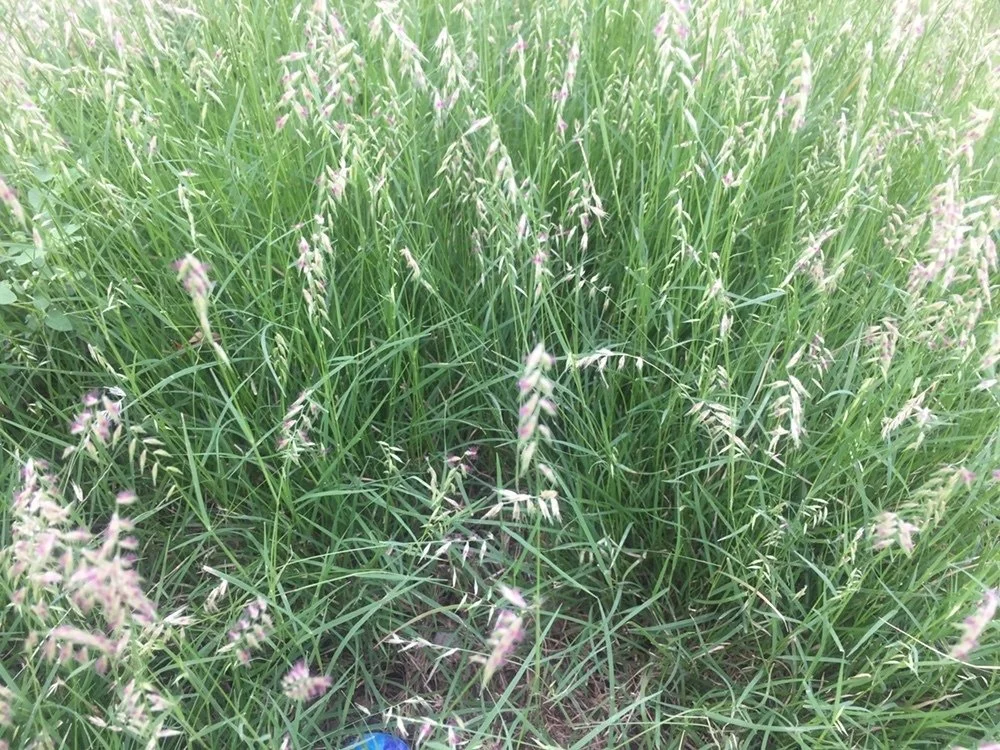
Low growing, perennial grass spreading fast by stolons. This is a sod-forming grass that can be used to create a more xeric lawn or used for erosion control. Plants rarely reach over a foot tall, and spread almost indefinitely. Blooms and seeds appear late summer/fall.
Plant in full to part sun. Keep well watered if you want it to stay green, lush, and spreading, though plants are very drought tolerant when established, though they may go dormant if drought-stressed. Hardiness untested though they seem to be completely hardy for our region.
Bouteloua diversispicula is a keystone species in large portions of the Plains of Sonora Subdivision in central Sonora, where it plays an important ecological role in binding fragile desert soils. This is a great grass for tortoise enclosures due to its spreading habit—keeping up with the tortoise appetite.
Photo by barbaranatural, iNaturalist
Bouteloua diversispicula on SEINET
Bouteloua named for brothers Claudio (1774-1842) and Esteban (1776-1813) Boutelou Agraz, Spanish botanists and horticulturalists; diversicpicula means “varied points”, and we are unsure of what this refers to. There are 57 accepted species of Bouteloua found only in the Americas, with most diversity centered in the southwestern United States.
This species is mostly found in Sonora and as far south as Sinoloa, Mexico. But there are two small disjunct populations in Arizona some distance from the next known populations in Sonora—it is thought that the populations at Ragged Top was an early introduction from Sonora to Arizona in livestock feed for the Aguirre freight line. More recently, B. diversispicula was accidentally introduced in Oro Valley north of Tucson by the Arizona Department of Transportation as a probable contaminant in Sonoran seeds in roadside hydroseeding. This species is a near-native and grows in such a way that it is not likely to compete with more regionally native species.
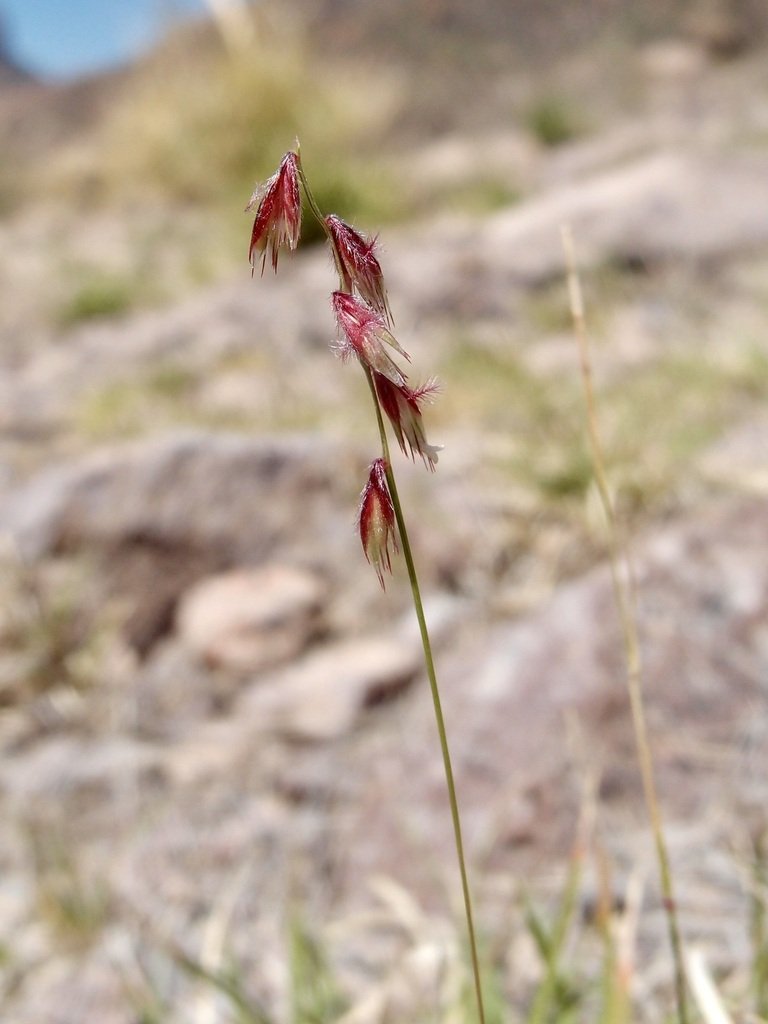
Some inflorescence detail by Sue Carnahan, iNaturalist
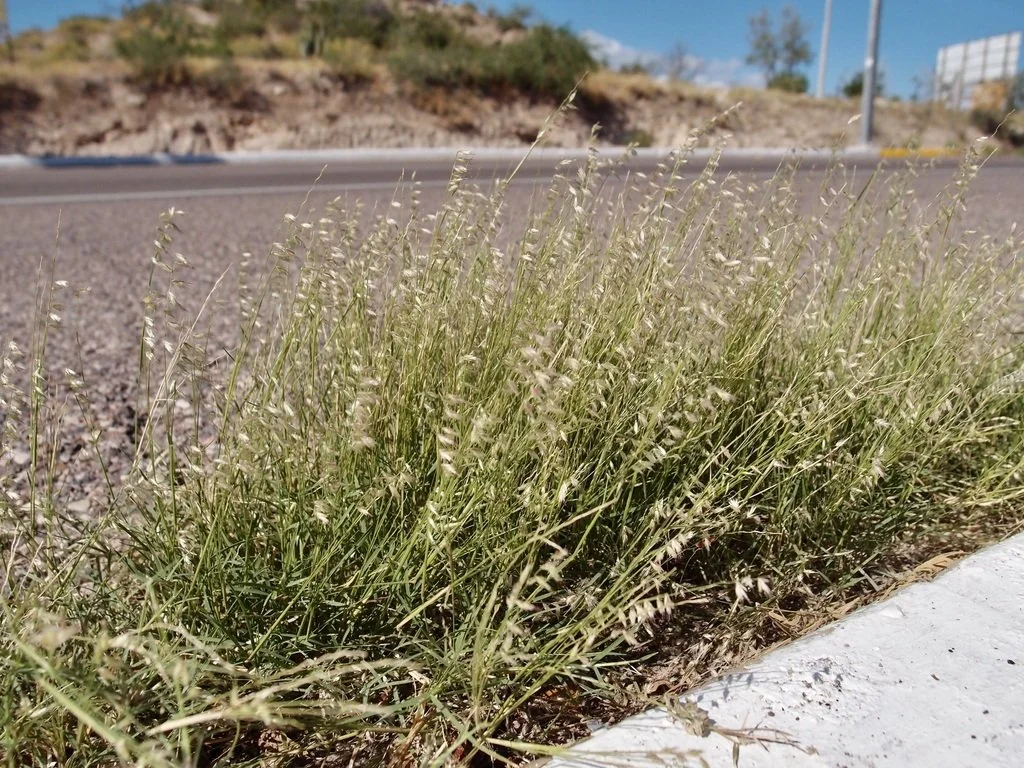
Roadside specimens growing in asphalt crass, near Guaymas, Sonora. Photo by Sue Carnahan, iNaturalist
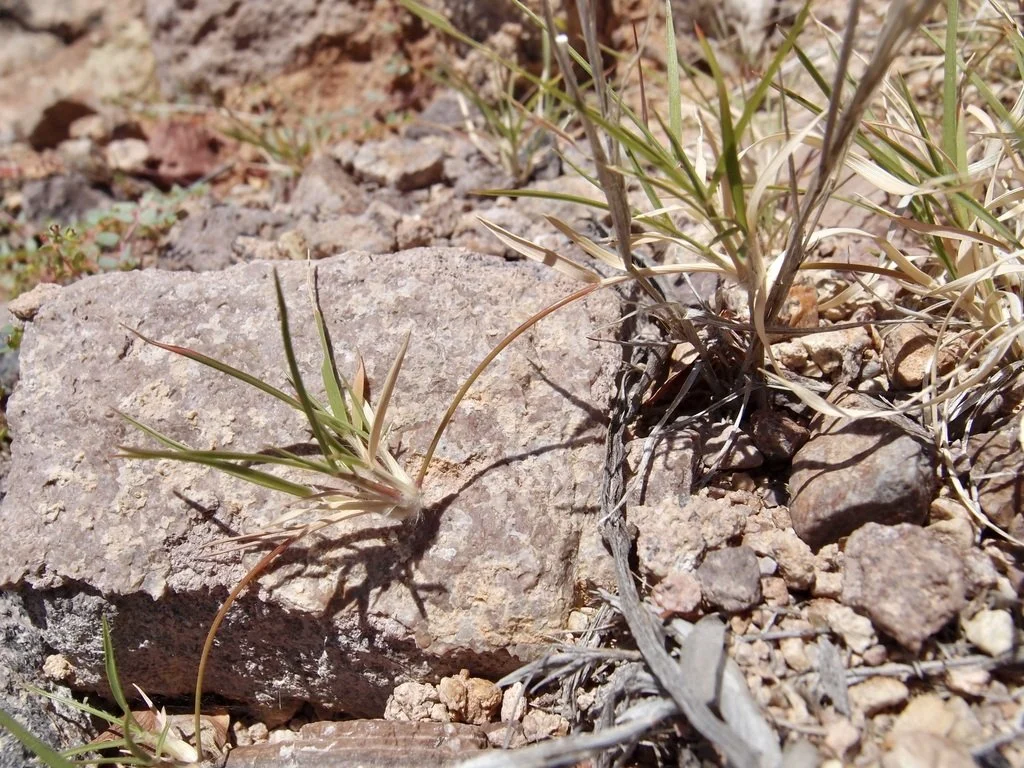
Some drought stressed specimens, displaying their stoloniferous habit. Photo by Sue Carnahan, iNaturalist
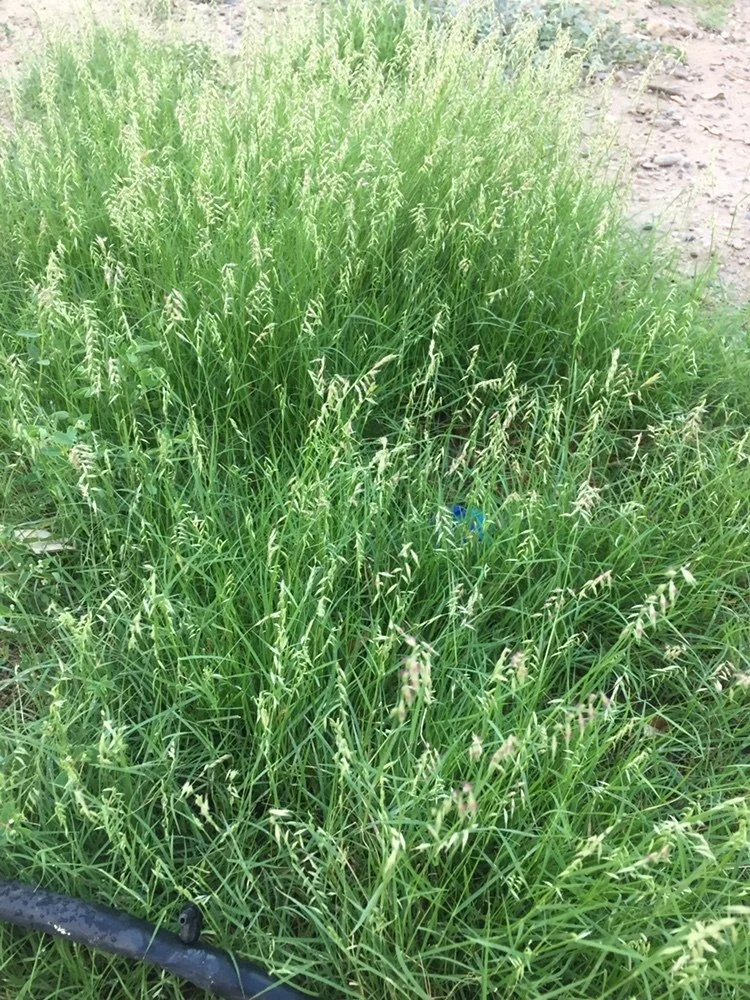
Irrigated plants are bright green and lush. Photo by barbaranatural, iNaturalist